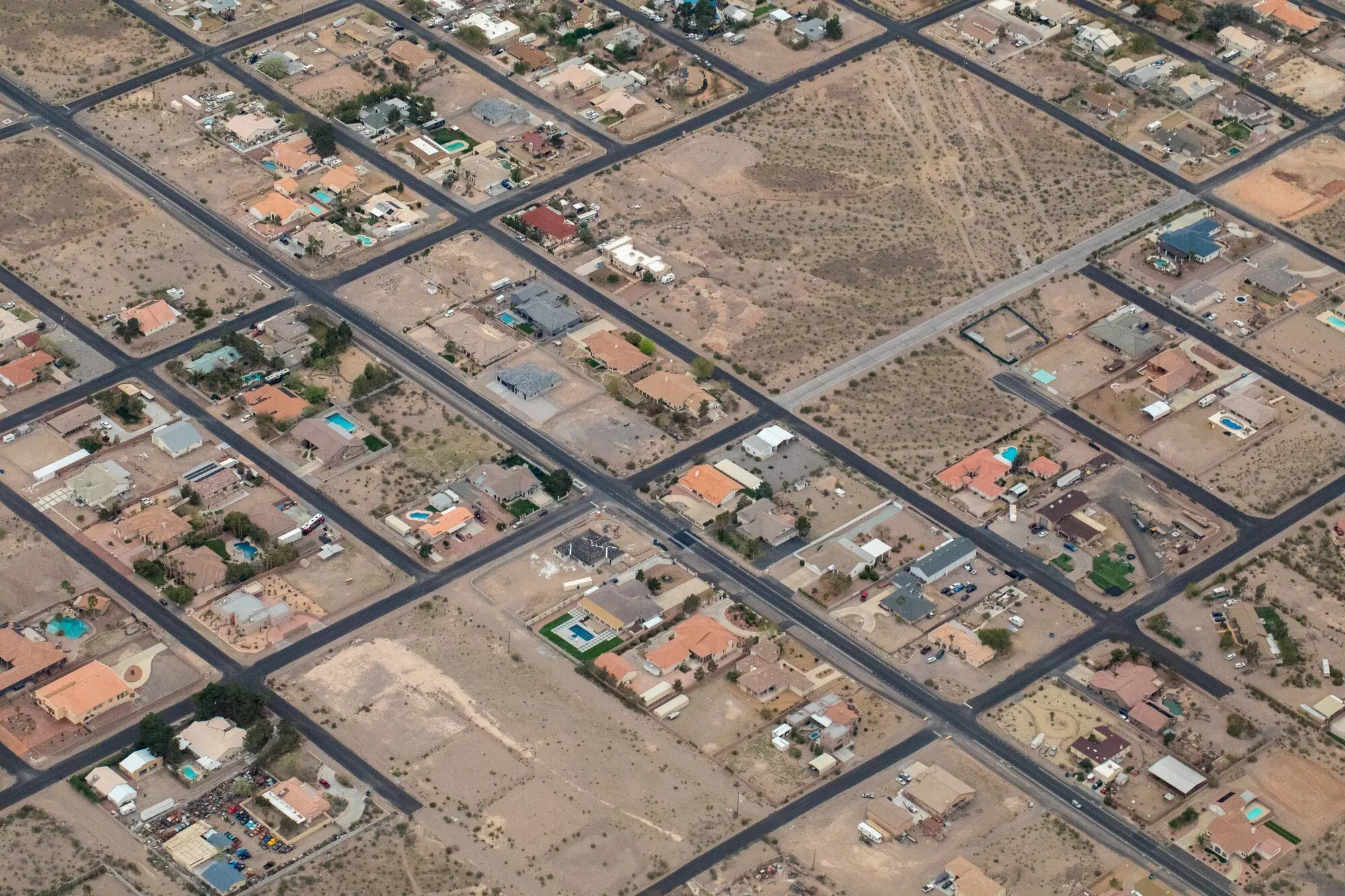
Mapping the Mood of the City in Real Time

Join us as we explore real-time neighborhood sentiment mapping powered by geotagged social media, turning millions of public posts into living, breathing portraits of local moods. We will show how streaming data, careful ethics, and approachable design can reveal changing feelings across blocks and hours, helping residents, businesses, and city teams notice joy, stress, and curiosity faster, act wisely, and tell more grounded community stories.

Why Real-Time Sentiment Maps Matter Locally

Neighborhoods shift by the minute: a festival opens, a train stalls, a café launches a new pastry, weather turns. By aggregating public, geotagged expressions into timely patterns, we can sense mood currents that surveys miss, give voice to everyday experiences, and encourage thoughtful responses that respect context, urgency, and the lived knowledge of people on each block.

From Tweets to Street-Level Insight

Short posts about delays, sunsets, new murals, or noisy construction may feel tiny, yet together they outline atmosphere. When geotags anchor messages to corners and parks, sudden swells of gratitude or frustration become visible, guiding attention to places where listening and action can genuinely matter.

Signals Beneath the Noise

Not every emoji or exclamation deserves equal weight. Robust filters, deduplication, language detection, and bot screening protect clarity. With thoughtful thresholds and temporal smoothing, quick outbursts settle into meaningful contours, letting recurring local concerns stand out while rare spikes still alert responders without exaggeration.

Moments That Changed Decisions

In pilot projects, transit teams adjusted staffing after noticing evening frustration clustering near a station entrance; a week later, complaints fell. A neighborhood council spotted excitement around a farmers’ market expansion and secured volunteers within hours, channeling enthusiasm into practical help and welcoming, orderly lines.

Data Sources and Ethical Boundaries

Opt-In, Public, and Respect

People share for many reasons: delight, protest, boredom, discovery. We honor original intent by analyzing only posts marked public and geotagged, then aggregating above individual identity. When in doubt, we exclude. Respect builds trust, and trust keeps maps useful, nuanced, and safe for everyday civic dialogue.

Anonymization That Holds Up

People share for many reasons: delight, protest, boredom, discovery. We honor original intent by analyzing only posts marked public and geotagged, then aggregating above individual identity. When in doubt, we exclude. Respect builds trust, and trust keeps maps useful, nuanced, and safe for everyday civic dialogue.

Bias, Representation, and Fairness

People share for many reasons: delight, protest, boredom, discovery. We honor original intent by analyzing only posts marked public and geotagged, then aggregating above individual identity. When in doubt, we exclude. Respect builds trust, and trust keeps maps useful, nuanced, and safe for everyday civic dialogue.

Streaming Ingestion Architecture

Event hubs, managed queues, and serverless triggers coordinate bursts from concerts, storms, or transit meltdowns. Backpressure handling and autoscaling maintain throughput, while schema evolution keeps compatibility sane. Observability—traces, metrics, logs—helps teams tune performance so late-night spikes never freeze the map right when neighbors most need clarity.

Sentiment and Emotion Classification

Beyond positive or negative, we recognize curiosity, relief, annoyance, pride, fear, and delight. Model cards document training data, limitations, and multilingual coverage. Human-in-the-loop review periodically inspects edge cases, improving robustness against sarcasm, trending slang, and code-switching that otherwise confuses naïve pipelines and distorts place-based conclusions.

Tiling, Smoothing, and Uncertainty

Hexbins and quadtrees adapt to density, blending neighbor cells over sliding windows to reduce flicker without hiding shifts. Confidence intervals travel with colors and tooltips, showing when to treat patterns as tentative. Users grasp not only where emotion concentrates, but also how sure the system feels.

Designing Maps People Trust

Trust grows when visuals are honest, explanations are plain, and controls feel respectful. We choose palettes that avoid alarmism, label sources, and surface caveats beside claims. Thoughtful defaults welcome newcomers, while transparency and documentation empower experts to probe methods, compare slices, and form their own responsible interpretations.

Public Safety and Event Response

During parades or storms, organizers monitor rising anxiety near bottlenecks and deploy volunteers to widen pathways before frustration peaks. After festivals, positive clusters highlight beloved corners, informing cleanup priorities and future layout choices. Transparent debriefs share successes and misses, strengthening coordination across city teams, vendors, and neighborhood stewards.

Small Business and Placemaking

Indie cafés and bookstores watch sentiment around product drops, hours, and sidewalk seating. If joy blooms after live music, owners repeat it; if annoyance clusters near delivery trucks, schedules shift. Business improvement districts coordinate pilots, then compare tiles week over week to nurture welcoming blocks and resilient main streets.

Health, Wellbeing, and Environments

Public health teams pair emotional patterns with air quality, heat alerts, and access to shade or transit. When fatigue concentrates during heatwaves, cities open cooling resources where people actually linger. Longitudinal views help evaluate interventions while cautioning against overinterpretation, keeping humility central when connecting feelings with structural, environmental pressures.

Open Datasets and Starter Kits

Our curated links include platform APIs, city boundaries, census indicators, open map tiles, and annotated corpora for multilingual slang. Dockerized stacks help you boot locally, while cloud templates scale responsibly. Each step includes guardrails, such as rate limits and privacy checks, so experimentation never outruns accountability or community acceptance.

Share Your Neighborhood Story

Tell us what the colors got right, where nuance was missing, and which local sayings our models should learn. Post screenshots with context, or send anonymized notes. Your grounded commentary turns abstract layers into usable guidance that honors lived experience across languages, cultures, and daily rhythms of place.
Xemovufanevixumamezekore
Privacy Overview

This website uses cookies so that we can provide you with the best user experience possible. Cookie information is stored in your browser and performs functions such as recognising you when you return to our website and helping our team to understand which sections of the website you find most interesting and useful.